Boost Your Business With Cutting-Edge Commercial Architecture Services
Forward-thinking commercial architecture serves a critical function in driving business success. By thoughtfully combining functionality with aesthetics, it elevates both productivity and brand recognition. Eco-conscious design approaches not only reduce operational expenses but also foster healthier work environments. As businesses evolve, so do their spatial needs. Appreciating how architecture impacts these elements can open new avenues for expansion and teamwork. The observations presented ahead will delve deeper into these important topics.
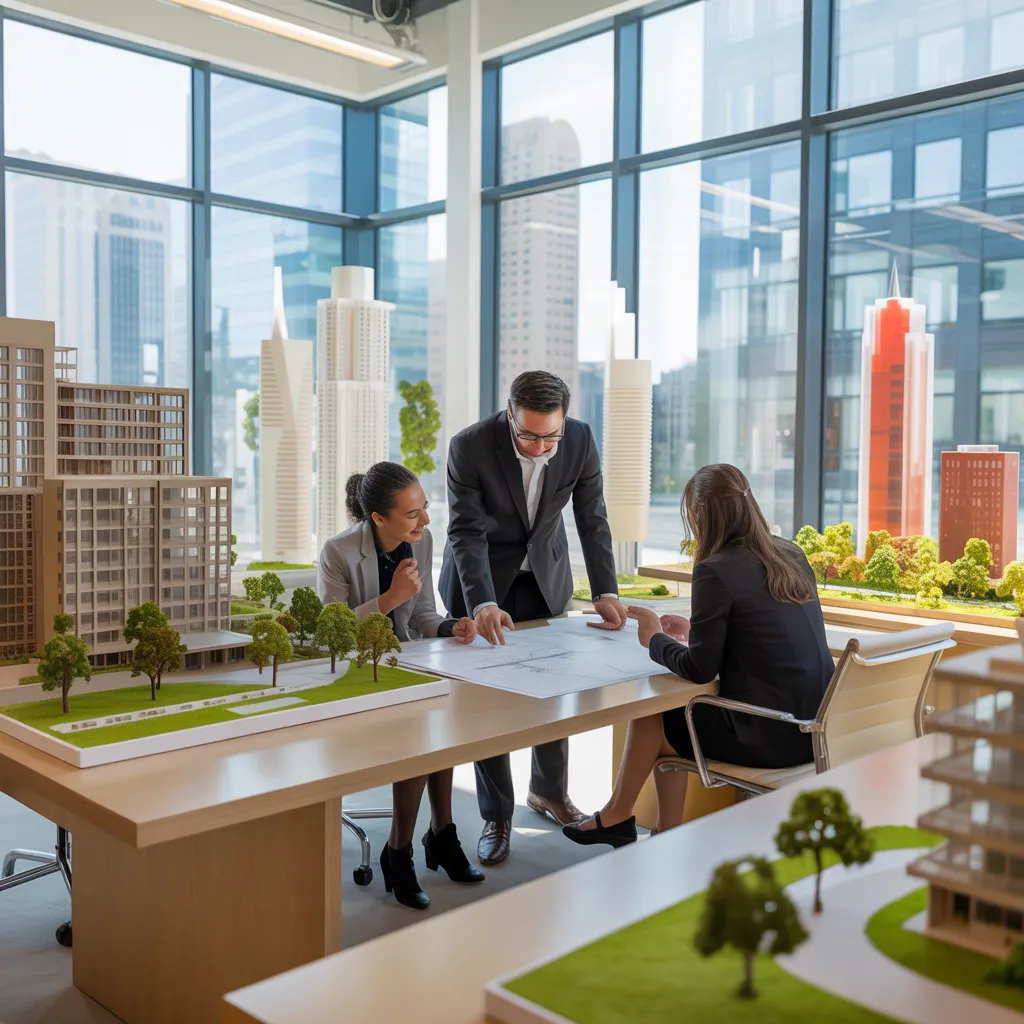
Why Your Business Needs Innovative Commercial Architecture
Progressive business-focused architecture revolutionizes the way enterprises connect with their spaces. This methodology highlights not just appearance but purposeful design, developing spaces that elevate productivity and collaboration. By integrating sustainable practices and advanced technologies, companies can reduce operational costs while engaging sustainability-focused clients.
Furthermore, distinctive architectural designs develop striking corporate identities that bring in clients and elevate team morale. The configuration of a workspace can significantly impact operational flow and ingenuity, making cutting-edge architecture essential for remaining competitive in the current market environment.
As organizations develop, the necessity for versatile environments becomes critical. Modern commercial architecture promotes adaptability in spatial planning, accommodating future growth and changes in operational needs. At its core, it offers a competitive edge by aligning physical spaces with overall business objectives, ultimately driving success and fostering a strong connection between the business and its community.
Key Features of High-Impact Commercial Architecture
High-impact commercial architecture is defined by a number of key features that improve both functionality and visual appeal. Fundamental aspects include efficient space planning that optimizes usability, green design strategies that lessen environmental impact, and striking visual elements that appeal to and engage clients. Together, these features create a click here dynamic environment that supports business objectives and fosters a positive user experience.
Strategic Space Planning
Efficient functional space planning elevates commercial architecture into a powerful strategic asset for organizations. By prioritizing efficient layouts, it optimizes workflows and enhances productivity. This method encompasses assessing the particular demands of a business and assigning space strategically, making certain that areas for teamwork, focus, and storage are deliberately crafted. High-impact commercial architecture incorporates flexible spaces that can adapt to changing requirements, allowing businesses to evolve without costly renovations. Furthermore, seamless navigation and accessibility serve as essential elements, cultivating a welcoming environment for both employees and clients. Ultimately, effective space planning not only maximizes the use of square footage but also creates an engaging atmosphere that aligns with the brand's identity, contributing to overall business success and employee satisfaction.
Green Design Methodologies
Adopting green design strategies is essential for contemporary commercial building design, as it emphasizes environmental responsibility while elevating the aesthetic and operational aspects of a space. These practices often encompass incorporating sustainable materials, maximizing energy conservation, and implementing sustainable energy systems. Moreover, sustainable designs support responsible water usage and improved air quality through innovative ventilation systems and vegetative roofing. Applying these methods not only reduces a building's carbon footprint but also decreases long-term operating expenses. Moreover, sustainable architecture promotes a healthier environment for inhabitants, leading to increased productivity and well-being. As businesses understand the value of corporate social responsibility, implementing eco-friendly design approaches emerges as a vital component of high-impact commercial architecture, aligning economic goals with environmental stewardship.
Visually Appealing Aesthetics
A focus on eco-friendly design approaches often leads to a heightened appreciation for visual attractiveness in business architecture. This relationship produces environments that not only meet practical needs but also connect with their immediate context. Features including sunlight, sustainable materials, and vegetation enrich a structure's visual appeal, enhancing its visual impact. A visually attractive building appeals to clients and nurtures a beneficial setting for staff. Design elements such as unique facades, innovative layouts, and harmonious color schemes can significantly enhance a brand's identity. At its core, integrating aesthetic appeal within sustainable frameworks not only showcases a commitment to environmental responsibility but also ensures that the building distinguishes itself in a challenging market environment, consequently enhancing the business's image and values.
Selecting the Right Commercial Architecture Partner for Your Requirements
How does one determine the most suitable commercial architecture partner for their project? This process begins with defining clear project objectives and requirements. A thorough evaluation of potential partners should include examining their project portfolios, with emphasis on relevant experience and design style. Customer testimonials and professional references can shed light on reliability and collaboration quality.
Next, examining the firm's knowledge of sustainable practices and relevant regulations is essential. Communication and project management skills also carry great weight; a contractor should show the capacity to express ideas with clarity and provide timely progress updates.
Budget compatibility is another critical factor, as openness in cost discussions can eliminate future misunderstandings. Engaging in initial consultations allows for gauging compatibility and understanding the firm's approach to problem-solving. At its core, identifying the right commercial architecture partner demands a thorough review of professional expertise, collaborative chemistry, and shared vision for the project.
Exemplary Design Case Studies in Commercial Architecture
Another compelling case study showcases a retail store that leveraged biophilic design strategies, integrating greenery and natural light. This method enhanced customer experience and increased foot traffic, which translated into increased sales.
Additionally, a leading tech company's office space demonstrated an open workspace design that promoted collaboration among staff, greatly improving workplace productivity and staff morale. Such examples illustrate how purposeful architectural planning can transform businesses, optimize operational efficiency, and craft welcoming spaces that appeal to employees and visitors, ultimately driving success and growth in the business landscape.
Why Sustainable Design Matters for Your Brand?
While many brands aim to stand out in a competitive market, integrating sustainable design can greatly enhance their identity and appeal. Businesses that place emphasis on green initiatives frequently appeal to environmentally aware customers, fostering loyalty and trust. Sustainable design not only reflects a brand's commitment to social responsibility but also establishes it as an innovative and visionary force within its sector.
Moreover, green architectural practices often leads to financial benefits via reduced energy consumption and lower operating costs. This practical benefit enhances the improved corporate reputation, as customers are increasingly drawn to businesses that display a sincere devotion to sustainability.
With regulations surrounding environmental consequences become stricter, businesses implementing eco-friendly design approaches can stay ahead of compliance challenges. Ultimately, adopting sustainable architectural practices functions as a forward-thinking investment, strengthening core brand principles as well as attracting a wider demographic, ultimately generating enduring success and prominence across an ever-shifting competitive environment.
How Strategic Architecture Boosts Employee Productivity
A thoughtfully crafted workspace greatly contributes to improving employee productivity. Thoughtful architecture considers factors such as natural light, floor plan design, and acoustic treatments, which significantly impact workplace efficiency. Spaces that prioritize open layouts encourage collaboration, while reserved private spaces enable focused work, achieving harmony between teamwork and individual tasks.
Incorporating biophilic elements, such as indoor plants and views of the outdoors, can lower stress levels and boost creativity, thereby improving workplace productivity. Ergonomic furniture design similarly supports staff comfort, reducing fatigue and promoting sustained periods of productive focus.
Furthermore, adaptable workspaces designed for multiple functions foster engagement and innovation. Through the application and understanding of these design principles, companies can build environments that improve efficiency and prioritize staff well-being. In the end, committing to intentional architectural design is a calculated decision that connects employee fulfillment with business achievement.
Future Trends in Commercial Architecture to Watch
What transformative changes are shaping the future of commercial architecture? One significant trend is the increasing focus on sustainability. Architects are embedding green materials and energy-saving designs to lower carbon footprints and advance environmental stewardship. Additionally, biophilic design is gaining traction, emphasizing natural elements to enhance well-being and productivity within workspaces.
One notable development is the rise of flexible and adaptive spaces. As businesses evolve, the need for multipurpose areas that can easily be reconfigured is growing increasingly important. This versatility supports varied working methods and team collaboration.
In addition, technological advancements, such as smart building technologies and virtual reality, are transforming design and construction processes. These innovations equip architects to design increasingly efficient, adaptive, and user-centered spaces.
Frequently Asked Questions
What Are the Expenses Involved in Innovative Commercial Architecture Services?
The expenses related to cutting-edge commercial architectural services generally encompass design fees, labor, materials, permits, and project oversight. These costs may differ based on project complexity, location, and specific client requirements, impacting the total budget framework.
How Long Does a Typical Commercial Architecture Project Take to Complete?
A standard commercial architectural project typically takes anywhere from six months to two years to be completed, influenced by factors including the complexity, scale, client demands, and regulatory requirements, all of which can substantially affect the project timeline.
How Does Technology Shape Modern Commercial Architecture?
Technology significantly improves contemporary commercial building design by refining and accelerating design procedures, improving collaboration through Building Information Modeling (BIM), facilitating accurate design simulations, and facilitating sustainable practices. These innovations progressively deliver greater efficiency, creativity, and affordability in architectural solutions.
Is Commercial Architecture Able to Adapt to Evolving Business Needs Over Time?
Absolutely, commercial building design can adapt to evolving business requirements throughout its lifespan. Through flexible designs, scalable building components, and the integration of modern technology, buildings can be modified to accommodate changing operational needs, ensuring enduring performance and practicality in a constantly evolving professional setting.
What Are the Advantages of Including Employees in the Design Process?
Involving staff members in the development process encourages collaboration, increases morale, and stimulates original thinking. Their contributions can result in practical solutions, promoting a degree of accountability and elevating overall productivity within the work environment.